01
Refrigeration backup
Walk-ins, line refrigeration, and freezer protection during SDG&E outages. The spoilage avoided usually justifies the install.
Solar for Restaurants
Restaurants have a specific energy profile: heavy refrigeration baseload, high lunch and dinner demand spikes, and zero tolerance for spoilage during outages. Solar plus storage, designed correctly, addresses all three.
Refrigeration
Critical-load priority
Demand charge
Tuned to kitchen peaks
NEM 3.0
Storage from day one
Carport
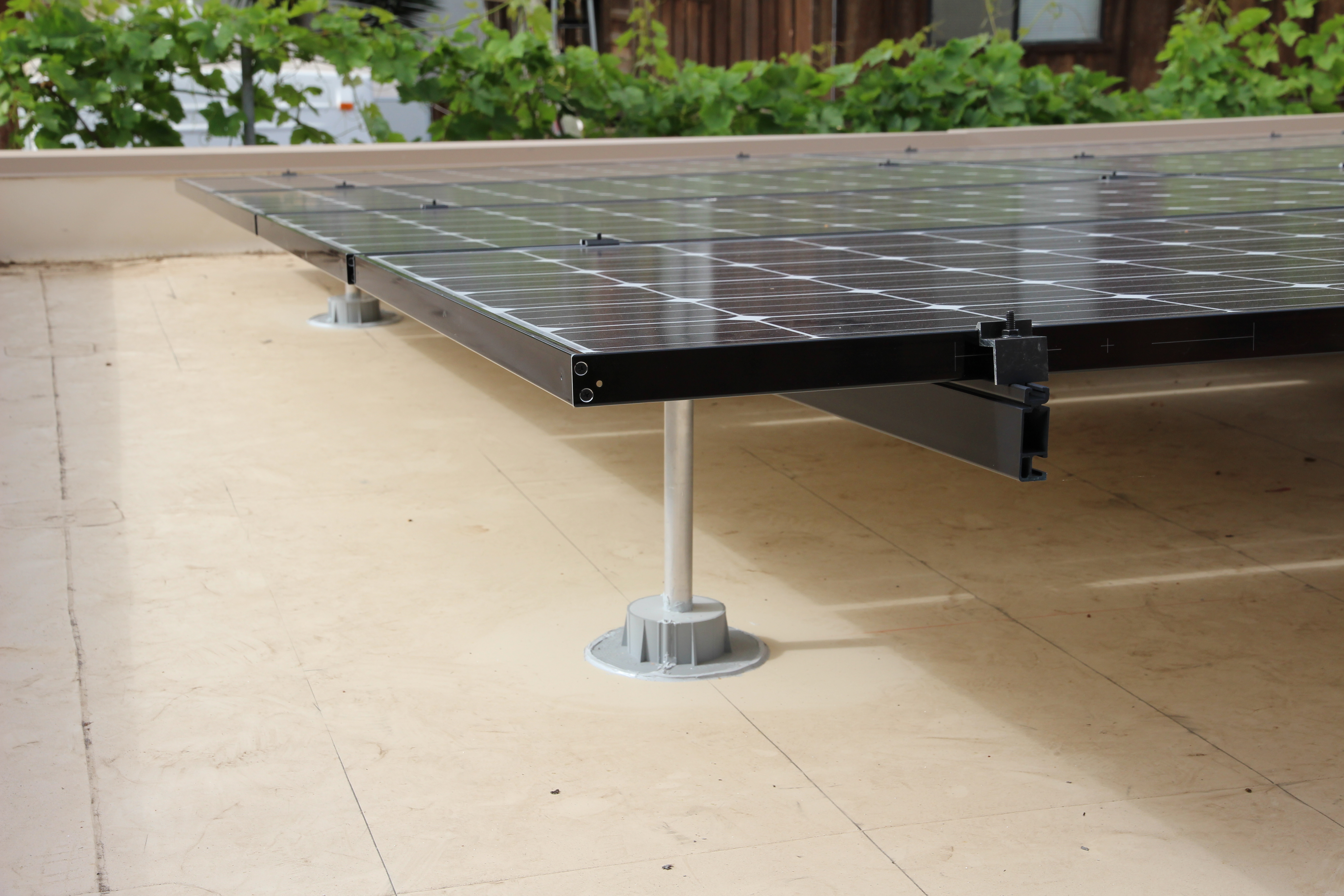
Limited-roof options
Restaurant fit
Generic commercial solar proposals miss the demand profile a restaurant actually runs. Storage sizing has to account for refrigeration backup, not just demand-charge shaving.
Where storage pays off
01
Walk-ins, line refrigeration, and freezer protection during SDG&E outages. The spoilage avoided usually justifies the install.
02
Kitchen demand spikes during lunch and dinner service drive expensive demand charges. Battery storage shaves the peaks.
03
Dinner service falls right inside peak rate windows. Solar plus storage moves your energy spend off the grid during those hours.
04
Exhaust hoods and HVAC are non-negotiable for service. Critical-load circuits keep them running through grid disruptions.
05
Restaurant rooftops are often crowded with kitchen exhaust and HVAC. Carport solar in the parking lot opens new install potential.
06
A solar contractor that's still here in year ten. We service what we install, and we service systems other companies abandoned.
Refrigeration uptime is the non-negotiable
Hood, dishwasher, and HVAC drive the demand curve
Roof access has to be planned around kitchen exhaust
A bad solar install can cost more than no solar at all
Conversion
A copy of your latest bill is the fastest way to model what solar and storage would do for your kitchen's operating costs.
Tell us about your project and we will follow up to discuss fit, savings potential, and next steps.